

Many parents open with the same line when they first contact us: "How much do you charge?"
It's a fair question, but it comes too early. Before we know your child's situation, any quote is a guess — and a guessed quote will always change.
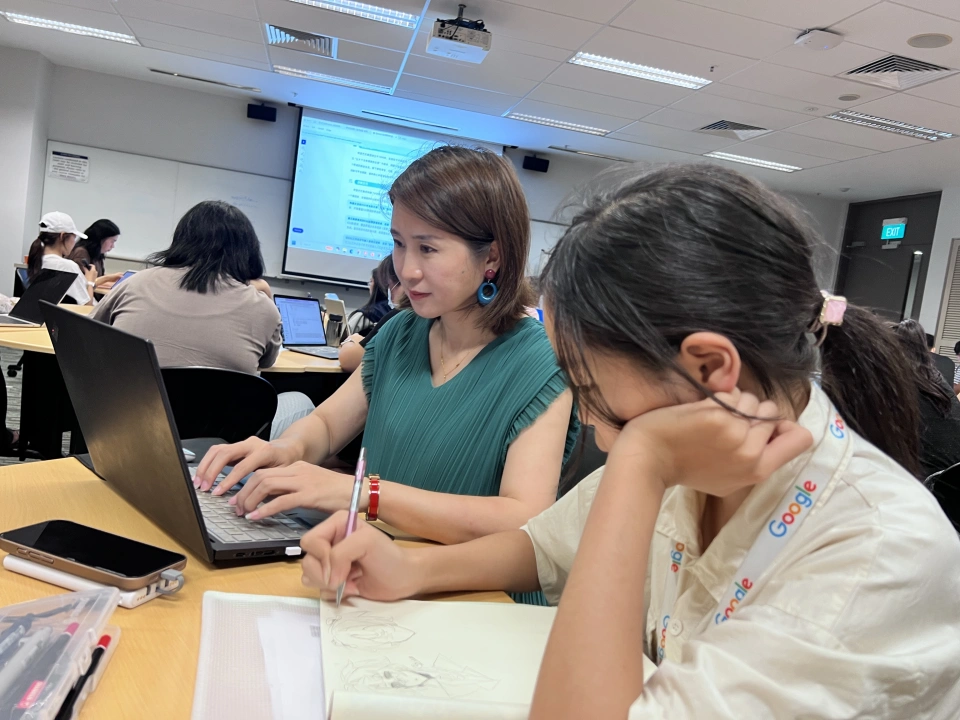
That's why we insist on a background assessment first. This article sets out the whole process — what we ask at each step, what it produces, and how long it takes. By the end, you'll know what to prepare, and what you should expect from any consultancy.

Step 1: Basic details (about 20 minutes)
We start with the fundamentals: current grade, school, curriculum, rough grade band, and whether there are any language scores.
The aim here isn't to judge good or bad — it's to work out which step you're standing on right now. The same "average results" means something entirely different in an ordinary class at a top high school versus a top class at a county school.
Output: a basic profile sheet.
Step 2: Goals and constraints (about 30 minutes)
This step is about direction: which subject you want to study, why, how many years you can commit to, your budget range, and how parents and student each lean on "staying in Singapore" versus "returning to China to build a career".
This is the step most often skipped, yet it shapes every judgement that follows. A student aiming for a Master's in the UK and a student aiming to work in Singapore may have identical backgrounds but completely different best-fit programmes.
Output: a list of goals and constraints, including "the three things we can't compromise on".

Step 3: Matching against entry requirements (about 40 minutes)
Using what we've gathered in the first two steps, we go through the programmes one by one against the official requirements: whether the qualification qualifies, whether grades meet the bar, whether English is sufficient, whether there are prerequisite subjects, and whether extra documents are needed.
The output isn't "can apply / cannot apply" — it's a three-colour list:

The "unable to confirm" column is where professionalism shows. Whether a consultancy dares to say "I don't know this — I'll need to ask the school" tells you more than whether it can produce an answer on the spot.
Step 4: Ranking the pathways (about 30 minutes)
We sort the eligible options into three tiers — main applications, backups and on hold — with the reasoning for each.
The key is that every tier must answer "why this tier". If the only reason for the ranking is "this school ranks higher", the ranking is worthless.
Output: a pathway ranking table with the basis for each tier.

Step 5: Working backwards from deadlines (about 20 minutes)
We work backwards from the target intake: when the language test must be taken, when transcripts need to be issued, when applications must be submitted, when the visa needs to be processed, and when accommodation needs to be arranged.
What this step does is show the family how much time is actually left. Much of the anxiety comes from uncertainty — once the timeline is laid out, half of it disappears.
Output: a reverse timeline.
Step 6: Written recommendations (within 3 working days)
After the first five steps, you receive a written conclusion covering the current situation, actions available, risk points and recommended next steps.
Why written? Verbal discussions get forgotten, and later on people remember things differently. Put it in writing and both sides have something to refer to.
What you'll need for the whole process
On the parents' side, you only need to prepare three things:
Recent school reports (any copy will do — no stamped version needed)
English test scores (send them if you have them; if not, just tell us where things stand)
One clear question (the single thing you most want sorted out)
What you don't need to prepare: a polished CV, packaged experiences, or pre-rehearsed "model answers".
The purpose of an assessment is to see the real picture clearly, not to make you sound better.

A step-by-step timeline

About 2.5 hours of interviews in total, plus 3 working days to reach a conclusion.
If an organisation hands you a complete plan and quotation within half an hour, that isn't efficiency — it means no assessment was done.
NEXAGAIN | This article describes our own assessment process; other consultancies may work differently and take a different amount of time. The outcome of an assessment is not a promise of admission, a visa or any certification. Website: nexagainsg.com
Schools, programmes, fees, entry requirements and accreditation details change. Before applying, always rely on the latest pages published by the specific institution or official body.